
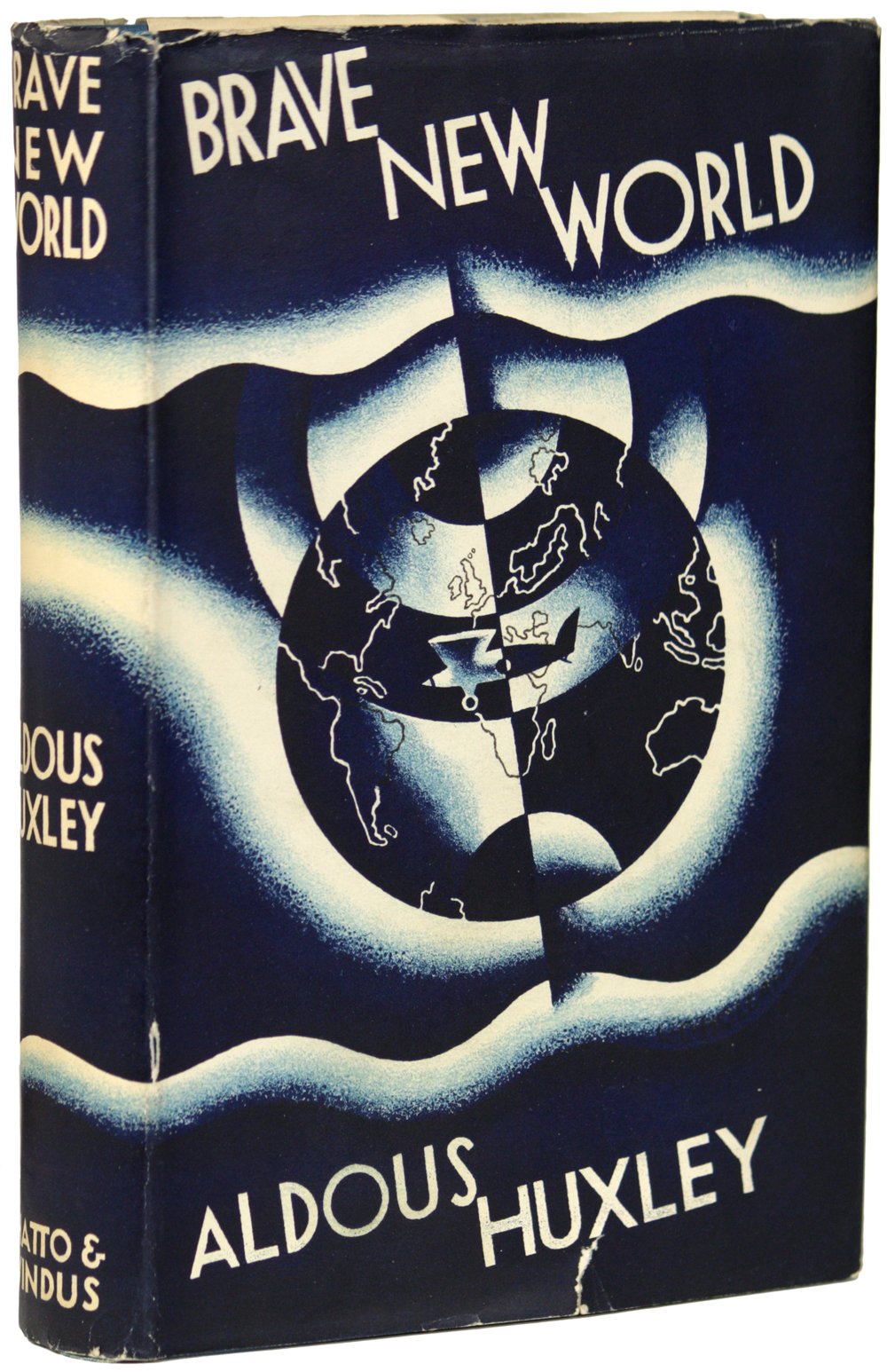
Brave New World Book Review: Unraveling Dystopian Masterpiece
Aldous Huxley’s “Brave New World” is a classic dystopian novel. It explores a futuristic society where technology controls human life.
This book remains relevant, raising questions about freedom, control, and happiness. In this book review, we will dive into the key themes and characters of “Brave New World. ” We’ll explore how Huxley’s vision of a technologically advanced society challenges our thoughts on individuality and conformity.
Whether you are a long-time fan or a new reader, this review will provide insights into why “Brave New World” continues to captivate audiences. Join us as we journey into Huxley’s imagined world and reflect on its implications for our own society.
Main Characters
Brave New World by Aldous Huxley is a classic dystopian novel. It features a range of complex characters. Each one represents different aspects of society. Understanding these characters is key to grasping the novel’s themes.
Bernard Marx
Bernard Marx is one of the main characters. He is an Alpha Plus, the highest caste in the society. But Bernard feels out of place. He is shorter and less attractive than other Alphas. This makes him insecure. Despite his status, Bernard questions the society’s values. He seeks deeper meaning and personal connections. His critical view of the world sets the stage for much of the novel’s conflict.
John The Savage
John the Savage is another central character. Born outside the World State, he is a true outsider. John is the son of two World State citizens but was raised on a Savage Reservation. He has a unique perspective on both worlds. John is deeply influenced by Shakespeare’s works. He often quotes Shakespeare, reflecting his struggle with the society’s morals. His presence in the World State challenges the established norms.
Lenina Crowne
Lenina Crowne is a Beta Plus. She works as a technician in the Hatchery. Unlike Bernard, Lenina fits well into the World State society. She enjoys the pleasures and comforts the society offers. But Lenina’s interactions with Bernard and John reveal her inner conflicts. She starts to question the superficial happiness around her. Lenina’s character highlights the tension between individuality and conformity.
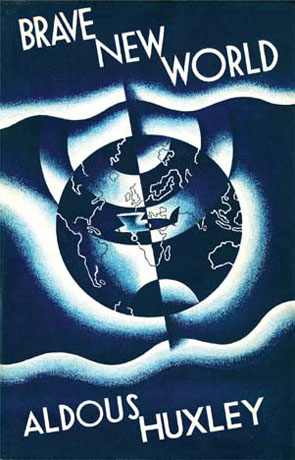
Credit: sfbook.com
Themes
Aldous Huxley’s Brave New World is a rich exploration of various themes that delve into the human experience. These themes help us understand the complexities of the futuristic society depicted in the book. Let’s explore some of the major themes in Brave New World.
Control And Oppression
In Brave New World, the government exerts extreme control over its citizens. They use technology and conditioning to keep society stable. People are deprived of their freedom and individuality. The state dictates every aspect of their lives, from their jobs to their relationships.
The theme of oppression is evident as citizens are conditioned to accept their roles without question. They are manipulated to believe in the values imposed by the state. This control keeps them from experiencing true emotions and personal growth.
Technology And Society
Technology plays a crucial role in Huxley’s dystopian world. It shapes the society and affects every individual. From genetic engineering to mind-altering drugs, technology is used to maintain order. It ensures that everyone conforms to societal expectations.
The use of technology to control people raises important questions. It shows the potential dangers of relying too much on technology. The society in Brave New World becomes a place where human connections and natural processes are replaced by artificial means.
Individualism Vs. Collectivism
The struggle between individualism and collectivism is a central theme in the book. In the society depicted, individual desires and ambitions are suppressed for the greater good. The state promotes a collective identity, discouraging personal achievements.
Characters in the book face internal conflicts as they try to balance their personal desires with societal expectations. Some characters, like Bernard Marx, crave individuality and resist conformity. Others fully embrace the collective identity, showing the tension between these two concepts.
Understanding these themes helps readers grasp the depth of Huxley’s vision. It also prompts us to reflect on our own society and the balance between control, technology, and individuality.
Symbolism
Aldous Huxley’s Brave New World is rich with symbolism. These symbols deepen the novel’s themes and messages. They provide readers with a deeper understanding of the dystopian world Huxley created. Here, we explore some key symbols in the novel.
Soma
Soma is the name of a drug used in the World State. It represents control and escape. Citizens take Soma to avoid pain and reality. It keeps them happy and docile. Soma symbolizes the use of technology to control the masses. It shows how pleasure can be used to suppress dissent.
The World State
The World State is the society in Brave New World. It stands for total control and loss of individuality. In the World State, the government controls every aspect of life. People are conditioned to be happy with their roles. The World State symbolizes the dangers of a society that values stability over freedom.
Shakespearean References
Shakespeare’s works are referenced throughout the novel. They symbolize the lost art and beauty in the World State. John the Savage quotes Shakespeare to express his emotions. He uses Shakespeare to critique the World State. These references highlight the contrast between the old world and the new one.
The table below summarizes the key symbols:
| Symbol | Meaning |
|---|---|
| Soma | Control and escape from reality |
| The World State | Total control and loss of individuality |
| Shakespearean References | Lost art and beauty, critique of the World State |
These symbols help convey the novel’s themes. They add depth to the narrative. They challenge readers to think about their own society. Understanding these symbols is key to appreciating Brave New World.
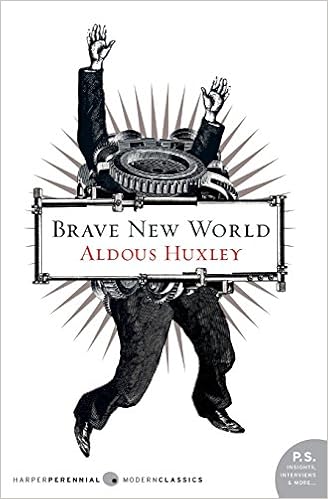
Credit: mondaymorningtheologian.com
Writing Style
The writing style of Aldous Huxley’s Brave New World stands out for its unique approach. Huxley uses various narrative techniques, language, and tone to create a compelling dystopian world. This section will dive into these aspects, offering insights into how they contribute to the book’s overall impact.
Narrative Techniques
Huxley employs multiple narrative techniques to enhance the story. He uses a third-person omniscient point of view, allowing readers to understand the thoughts and feelings of different characters. This technique provides a comprehensive view of the dystopian society.
Another technique is the use of flashbacks and foreshadowing. These elements add depth to the narrative, revealing crucial backstory and hinting at future events. The juxtaposition of different characters’ perspectives also adds to the richness of the narrative.
Language And Tone
The language in Brave New World is both straightforward and descriptive. Huxley uses simple yet vivid words to create clear mental images. This makes the book accessible to a wide audience.
The tone varies throughout the book, reflecting the underlying themes. It shifts from clinical and detached to ironic and sometimes even hopeful. These tonal shifts keep readers engaged and underscore the novel’s complex themes.
| Element | Description |
|---|---|
| Narrative Techniques | Third-person omniscient, flashbacks, foreshadowing, character perspectives |
| Language | Simple, descriptive, vivid |
| Tone | Varies from clinical to ironic and hopeful |
In summary, the writing style of Brave New World is a key element of its enduring appeal. Huxley’s use of narrative techniques, language, and tone effectively conveys the novel’s themes and keeps readers hooked from start to finish.
Critical Reception
Brave New World by Aldous Huxley has garnered varied responses since its publication. The novel has been praised and criticized by different generations. This section delves into the critical reception of this iconic dystopian novel.
Contemporary Reactions
When Brave New World was first published in 1932, it stirred strong reactions. Many critics applauded Huxley’s imaginative vision. They were impressed by his foresight and creativity.
Some praised the novel for its bold themes. It tackled issues like technology, control, and individuality. Critics found the world Huxley built fascinating yet terrifying. The novel’s portrayal of a controlled society sparked much discussion.
On the other hand, some reviews were not so kind. Certain critics found the book’s themes disturbing. They felt the novel painted an overly grim picture of the future. Others thought it lacked warmth and human connection.
Modern Interpretations
In modern times, Brave New World remains relevant. Readers see it as a warning about the dangers of technology. Many appreciate its insights into consumerism and loss of individuality. The novel’s themes resonate with today’s issues.
Modern critics often compare it with other dystopian works. They see parallels with Orwell’s 1984 and Atwood’s The Handmaid’s Tale. The book’s predictions about bioengineering and surveillance are seen as prophetic.
Some modern readers find the novel’s pace slow. They feel the characters lack depth. Despite this, the book’s impact on literature and culture is undeniable.
Personal Reflection
Reading Brave New World was an eye-opening experience. This dystopian novel by Aldous Huxley offers much to think about. Here are my thoughts on some of the key elements of the book.
Favorite Aspects
One of my favorite aspects of the book is its world-building. Huxley creates a future society that feels both alien and familiar. The detailed descriptions of the World State’s methods are chilling yet fascinating.
Another compelling part is the character development. Each character, from Bernard Marx to John the Savage, adds depth to the story. Their struggles and perspectives highlight the novel’s themes effectively.
Lastly, the themes of the book are incredibly thought-provoking. Issues like the loss of individuality and the dangers of technological control are still relevant today. Huxley’s insights make readers question their own society.
Overall Impact
The overall impact of Brave New World is significant. The novel makes you reflect on the direction of modern civilization. It challenges you to think about the balance between technology and humanity.
Many aspects of the book resonate with contemporary issues. The emphasis on consumerism and instant gratification feels eerily familiar. It’s a stark reminder of what could happen if society loses sight of personal freedom.
In summary, Brave New World leaves a lasting impression. It’s a powerful commentary on society and human nature. A must-read for anyone interested in dystopian fiction.

Credit: www.blinkist.com
Frequently Asked Questions
What Is “brave New World” About?
“Brave New World” is a dystopian novel. It explores a future society with rigid control and advanced technology.
Why Is “brave New World” Important?
The book is important because it highlights the dangers of losing individuality. It warns against excessive control and technology.
Who Should Read “brave New World”?
Anyone interested in science fiction, dystopian themes, or social commentary should read this book. It offers valuable insights.
Conclusion
“Brave New World” is a thought-provoking read. Huxley’s vision is both captivating and unsettling. The book explores themes of freedom, control, and happiness. It makes readers question society’s values. The characters are complex and memorable. The story remains relevant today.
For those interested in dystopian fiction, this is a must-read. It challenges and engages the mind. Dive into “Brave New World” for a unique literary journey. You won’t regret it. Aldous Huxley’s masterful storytelling and exploration of societal themes make this novel as relevant today as when it was first published. Its thought-provoking narrative will leave readers contemplating the fine line between utopia and dystopia. If you’re looking for similar deep explorations of society and human nature, consider reading an American Pastoral book review for another perspective on a complex and powerful novel.


