
Book Review Title Examples: Captivating and Compelling Choices
Crafting the perfect title for a book review can be a challenge. It needs to grab attention and convey the essence of your review.
A well-chosen title can make your review stand out. Book review titles are crucial for drawing readers in. They give a sneak peek into your thoughts about the book. A catchy title can intrigue potential readers and set the tone for your review.
Whether you loved or hated the book, your title should reflect your unique perspective. This blog post will explore various examples of book review titles. These examples will help you craft titles that are engaging, clear, and compelling. Let’s dive into the art of creating eye-catching book review titles!

Credit: www.researchgate.net
Importance Of A Good Book Title
A book title is more than just a name. It sets the tone and captures attention. A compelling title can make a reader pick up your book. It communicates the essence and piques curiosity.
First Impressions
First impressions matter. A good book title creates an immediate connection. It can evoke emotion and intrigue. Think of titles like “The Catcher in the Rye” or “To Kill a Mockingbird”. These titles are memorable and impactful.
Consider these elements for a strong first impression:
- Clarity: The title should be easy to understand.
- Relevance: It must relate to the book’s content.
- Uniqueness: A unique title stands out in a crowded market.
Marketing Impact
A well-crafted book title is a powerful marketing tool. It can be the difference between a sale and a pass. Effective titles are often short and catchy. They make the book easy to remember and recommend.
Here are some ways a good title impacts marketing:
| Aspect | Impact |
|---|---|
| Searchability | Improves online visibility and search results. |
| Memorability | Makes the book easy to recall and share. |
| Branding | Builds a strong brand around the book. |
In conclusion, a good book title is crucial. It impacts first impressions and marketing success. Choose a title that resonates and sells.
Elements Of A Captivating Title
A book review title is your first impression. It must grab attention. A captivating title can make readers click and read further. Below are key elements to consider for crafting an engaging title.
Brevity
Keep the title short and sweet. Brevity ensures it is easy to read and remember. Aim for 5-7 words. This makes it quick to scan.
Examples:
- “A Tale of Two Cities Review”
- “Thoughts on Pride and Prejudice”
Emotional Appeal
Use words that evoke emotions. Emotional appeal draws readers in. It creates a connection with the reader.
Examples:
- “Heartfelt Reflections on To Kill a Mockingbird”
- “The Thrills and Chills of Dracula”
These elements help create a title that is both engaging and effective. Keep your audience in mind and make every word count.
Examples Of Compelling Fiction Titles
Choosing the right book title can make a huge difference. A compelling title grabs attention and invites readers. Here are some great examples of fiction titles that have stood the test of time.
Classic Novels
- To Kill a Mockingbird by Harper Lee: This title suggests deep themes and human emotions.
- Pride and Prejudice by Jane Austen: A title that hints at the complex relationships within.
- The Great Gatsby by F. Scott Fitzgerald: A title that evokes curiosity about Gatsby’s greatness.
- 1984 by George Orwell: A short, memorable title that hints at dystopian themes.
- Moby-Dick by Herman Melville: A unique title that piques interest in the story of the great whale.
Modern Bestsellers
- The Girl on the Train by Paula Hawkins: The title suggests mystery and intrigue.
- Gone Girl by Gillian Flynn: A short title that hints at a suspenseful plot.
- The Night Circus by Erin Morgenstern: This title evokes a sense of magic and wonder.
- Big Little Lies by Liane Moriarty: A title that hints at secrets and drama.
- Normal People by Sally Rooney: A simple yet intriguing title suggesting a focus on human relationships.

Credit: studycrumb.com
Non-fiction Title Inspiration
Finding the perfect title for your non-fiction book can be challenging. A great title grabs attention and hints at the content within. Here are some inspiring examples to help you craft the best title for your non-fiction masterpiece.
Biographies
Biographies offer a glimpse into the lives of influential people. A strong title can make your biography stand out. Here are some examples:
- The Untold Story of [Name]
- [Name]: A Journey Through Time
- [Name]: The Life and Legacy
- The Rise of [Name]
- [Name]: Beyond the Headlines
Self-help Books
Self-help books aim to inspire and guide readers. A compelling title can draw readers in and promise solutions. Here are some ideas:
- Unlocking Your Potential
- Mastering the Art of Happiness
- Transform Your Life: Step by Step
- Finding Balance in a Busy World
- The Power of Positive Thinking
Remember, a well-crafted title can make all the difference. Use these examples as inspiration to create a title that resonates with your audience and captures the essence of your book.
Creative And Unique Titles
Creating a memorable book review title is an art. The title should capture the essence of the review and draw readers in. Creative and unique titles can make your review stand out. They can use clever wordplay, metaphors, or even intriguing phrases. Let’s explore some ways to craft engaging book review titles.
Wordplay
Wordplay can make your title fun and engaging. It adds a layer of cleverness that readers appreciate. Here are some examples:
- Crime and Pun-ishment – A review of a crime novel with a clever twist.
- Read Between the Wines – Perfect for a book review paired with a wine recommendation.
- Novel Ideas – A title that plays on the word “novel” as both a book and an idea.
Metaphorical Titles
Metaphorical titles evoke imagery and emotions. They connect with readers on a deeper level. Consider these examples:
- The Heart’s Echo – A review of a romantic novel that resonates deeply.
- Shadows and Light – Perfect for a book that deals with contrasts or dualities.
- The Turning Tide – Ideal for a review of a book about change or transformation.
These creative and unique titles can captivate readers. They add an extra layer of interest to your book reviews. Use wordplay or metaphors to make your titles memorable.
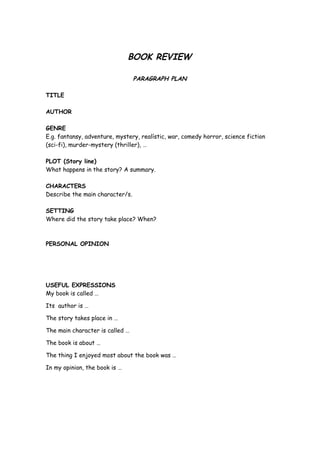
Credit: www.slideshare.net
Analyzing Bestselling Titles
Understanding the elements of bestselling book titles can offer valuable insights. Analyzing these titles helps identify patterns and trends. This can be useful for authors and publishers alike. Below, we explore common themes and trends over time in bestselling book titles.
Common Themes
Bestselling book titles often share certain themes. These themes resonate with readers and draw them in. Some of the most common themes include:
- Adventure: Titles with a sense of adventure are popular. They promise excitement and action.
- Mystery: Many readers love a good mystery. Titles hinting at secrets or puzzles attract attention.
- Love: Romance-themed titles often become bestsellers. They appeal to those looking for emotional stories.
- Fantasy: Titles with magical elements are also common. They invite readers into imaginative worlds.
These themes are timeless and continue to captivate readers. They create intrigue and set expectations.
Trends Over Time
Trends in book titles evolve over time. Analyzing these trends can provide insights into changing reader preferences. Some notable trends include:
| Time Period | Trend |
|---|---|
| 2000-2005 | Single-word titles became popular. Examples: “Twilight”, “Eragon”. |
| 2006-2010 | Titles with “The” followed by a noun. Examples: “The Road”, “The Help”. |
| 2011-2015 | Titles featuring strong verbs. Examples: “Gone Girl”, “The Girl on the Train”. |
| 2016-Present | Longer, descriptive titles. Examples: “The Night Circus”, “All the Light We Cannot See”. |
These trends reflect shifts in marketing strategies and reader interests. Tracking these changes helps predict future popular titles.
Tips For Crafting Your Own Title
Creating an engaging book review title is essential. It grabs the reader’s attention and invites them to read more. A well-crafted title can make your review stand out. Here, we’ll provide tips for crafting your own title. We’ll cover brainstorming techniques and testing with audiences.
Brainstorming Techniques
Start by jotting down words related to the book. Think of the book’s themes, characters, and settings. Use these keywords to spark ideas. Combine words for a catchy title. Try different combinations until something clicks.
- Use a thesaurus to find synonyms.
- Play with alliteration for a memorable title.
- Ask questions that pique curiosity.
Consider the tone of your review. Is it serious or light-hearted? Match the title’s tone to your review’s tone. This creates a cohesive feel. Keep titles short and to the point. Aim for five to seven words.
Testing With Audiences
Once you have a few title ideas, test them with your audience. Share them with friends or on social media. Ask for feedback on which title is most engaging. Note their reactions and comments.
- Post titles in a poll and let people vote.
- Ask open-ended questions about each title.
- Use feedback to refine your title.
Consider A/B testing if you have a blog or website. Try different titles for the same review. See which one gets more clicks. Use analytics to measure engagement. Adjust based on the results.
Crafting a book review title takes practice. Use these tips to create a title that stands out. Happy writing!
Avoiding Common Title Mistakes
Crafting a compelling book review title is crucial for grabbing readers’ attention. Avoiding common mistakes can make your titles more effective and appealing. Let’s explore some pitfalls to watch out for.
Overcomplication
One common mistake is making titles too complex. A title should be straightforward and easy to understand. Overcomplicated titles can confuse readers and deter them from clicking.
Consider these two examples:
| Overcomplicated Title | Simple Title |
|---|---|
| “A Comprehensive Analysis of The Multi-Faceted Dynamics in Modern Literature” | “Understanding Modern Literature” |
| “An In-Depth Exploration into the Various Elements of Narrative Techniques” | “Exploring Narrative Techniques” |
Simple titles are more likely to attract readers. Avoid jargon and keep it clear.
Clichés
Using clichés in titles can make them feel unoriginal. Readers often skip titles that feel too familiar or overused.
Here are some clichéd titles and their improved versions:
- Clichéd: “A Journey Through Time”
- Improved: “Time Travel in Modern Fiction”
- Clichéd: “The Ultimate Guide to Mystery Novels”
- Improved: “Top Mystery Novels You Must Read”
Unique and specific titles stand out more. Avoid common phrases to engage readers better.
Frequently Asked Questions
What Makes A Good Book Review Title?
A good book review title should be clear, catchy, and relevant. It should grab the reader’s attention quickly.
How Do You Create An Engaging Book Review Title?
To create an engaging book review title, use strong keywords and highlight the book’s main theme or impact. To make the title even more compelling, consider incorporating a touch of creativity or intrigue that sparks curiosity. Drawing inspiration from memorable moments or standout elements within the story can also leave a lasting impression on potential readers. Additionally, including relevant “Book Review Quotes” from the text or critics can help emphasize the book’s significance and appeal.
Why Is The Book Review Title Important?
The book review title is important because it attracts readers. It sets the tone and encourages them to read more.
Conclusion
Crafting the perfect book review title is crucial. A good title grabs attention. It sets the tone for your review. Readers get a quick sense of your opinion. Effective titles are clear and engaging. They spark curiosity and invite clicks.
Experiment with different styles. Find what resonates with your audience. Keep it simple and straightforward. Your review deserves a title that shines. Happy writing!