Diary of a Wimpy Kid Book Review: Unveiling the Hilarious Journey
“Diary of a Wimpy Kid” is a popular children’s book series. It combines humor and relatable stories.
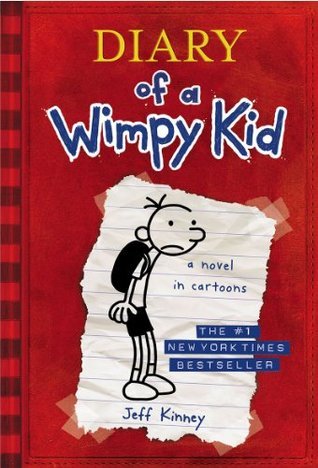
In this blog post, we’ll dive into a review of the first book. The series, created by Jeff Kinney, follows the life of a middle school student, Greg Heffley. The humorous illustrations and diary-style writing make it a favorite among kids. In this opening installment, Greg navigates the ups and downs of school life, friendships, and family dynamics with a mix of sarcasm and wit that keeps readers entertained. The relatable scenarios and laugh-out-loud moments make it easy to see why this book has become a staple on young readers’ shelves. While this Diary of a Wimpy Kid entry is the focus here, fans of heartfelt and inspiring reads might also enjoy exploring an Invisible Thread book review for a different, yet equally compelling, reading experience.
Greg’s adventures and misadventures capture the struggles of growing up. From dealing with family to navigating school life, Greg’s story is both funny and touching. Whether you’re a kid or an adult, this book has something for everyone. Join us as we explore the charm and appeal of “Diary of a Wimpy Kid. “
Introduction To The Series
The “Diary of a Wimpy Kid” series has captivated readers worldwide. This series, written by Jeff Kinney, follows the life of Greg Heffley, a middle school student facing typical adolescent challenges. Through Greg’s eyes, we see the humor and trials of growing up. The series is both entertaining and relatable, making it a favorite among children and adults.
Background Of The Author
Jeff Kinney, the author of “Diary of a Wimpy Kid,” is also an illustrator and game designer. He was born in 1971 in Maryland, USA. Kinney started his career by creating an online version of his book in 2004. The first book in the series was published in 2007. Since then, he has written numerous sequels, each receiving widespread acclaim.
| Author | Notable Works | Occupation |
|---|---|---|
| Jeff Kinney | Diary of a Wimpy Kid Series | Author, Illustrator, Game Designer |
Popularity And Impact
The series’ popularity is immense. Each book in the series has been a bestseller. The relatable storyline and humorous illustrations attract a broad audience. The books have been translated into multiple languages, reaching readers globally.
The impact of the series is significant. It has encouraged many children to read more. Schools and libraries often recommend the series for young readers. The books have also been adapted into successful movies, further expanding their reach.
- Relatable characters
- Humorous illustrations
- Translated into multiple languages
- Adapted into movies
The “Diary of a Wimpy Kid” series continues to thrive. Its blend of humor and real-life situations resonates with readers of all ages. Jeff Kinney’s creation has left a lasting mark on children’s literature.

Credit: booknookuk.com
Character Analysis
The “Diary of a Wimpy Kid” series by Jeff Kinney is a captivating read for young audiences. The series offers a unique blend of humor and relatable life lessons. Let’s dive into the character analysis of the main protagonist and other supporting characters.
Greg Heffley
Greg Heffley is the central character of the series. He is a middle school student with big dreams and a knack for getting into trouble. Greg’s character is both amusing and relatable. He often finds himself in awkward situations that make readers laugh.
Greg is not the ideal hero. He is selfish, lazy, and often dishonest. But his flaws make him more human and real. His diary entries give readers an inside look at his thoughts and feelings. This makes his character more relatable and engaging. Despite his flaws, Greg is a dreamer. He believes he is destined for greatness.
| Trait | Description |
|---|---|
| Dreamer | Believes he is destined for greatness |
| Selfish | Puts his interests first |
| Lazy | Avoids hard work whenever possible |
| Dishonest | Bends the truth to his advantage |
Supporting Characters
The supporting characters in “Diary of a Wimpy Kid” add depth to the story. They each play a crucial role in shaping Greg’s adventures and misadventures.
- Rowley Jefferson: Greg’s best friend. He is kind and naive. Often becomes the victim of Greg’s schemes.
- Rodrick Heffley: Greg’s older brother. He is a typical teen. Loves heavy metal music and enjoys tormenting Greg.
- Frank Heffley: Greg’s father. He is strict and has old-fashioned values. Often disapproves of Greg’s behavior.
- Susan Heffley: Greg’s mother. She is overprotective and involved in Greg’s life. Often embarrasses Greg with her actions.
Each supporting character has a unique relationship with Greg. Their interactions bring out different sides of Greg’s personality. This makes the story more engaging and realistic.
Humor And Wit
The Diary of a Wimpy Kid series is well-known for its humor and wit. Author Jeff Kinney’s blend of comedy and relatable situations keeps readers engaged. This combination makes the book a favorite among young readers and adults alike.
Funny Moments
One of the most appealing aspects of Diary of a Wimpy Kid is its numerous funny moments. The protagonist, Greg Heffley, finds himself in hilarious situations. For instance, Greg’s attempt to become popular at school often backfires. His misadventures with his best friend, Rowley, add to the comedy. These moments are depicted in a light-hearted manner, making them enjoyable for all ages.
| Situation | Outcome |
|---|---|
| Greg’s attempt to be the class clown | Ends up embarrassing himself |
| Starting a new business venture | Business fails hilariously |
| Trying to impress his crush | Results in awkward moments |
Humorous Writing Style
Jeff Kinney’s humorous writing style is another highlight of the book. The use of simple, conversational language makes the book easy to read. Kinney includes witty dialogue that feels natural and unforced. The combination of text and comic-style illustrations enhances the humor. Readers find themselves laughing out loud at Greg’s inner monologues and exaggerated reactions.
- Relatable language – Easy for young readers to understand.
- Illustrations – Visual humor adds to the comic effect.
- Dialogue – Natural and witty, reflecting real-life conversations.
Both the funny moments and humorous writing style contribute to the charm of Diary of a Wimpy Kid. These elements make the book a delightful read for everyone.
Credit: www.goodreads.com
Themes And Messages
The Diary of a Wimpy Kid series is more than just funny stories. It explores important themes and messages. These themes resonate with readers of all ages. Let’s dive into two key themes: Friendship and Family and Growing Up Challenges.
Friendship And Family
Friendship plays a huge role in Greg’s life. The series shows how friendships grow and change. Greg’s friendship with Rowley is a central part of the story. They have ups and downs, just like real friendships. This teaches readers about loyalty, forgiveness, and understanding.
Family is also a core theme. Greg’s relationship with his family members is relatable. His interactions with his parents and siblings are humorous but also heartwarming. Readers see the importance of family support. Even when things go wrong, family is always there.
Growing Up Challenges
Growing up is not easy. The book captures the awkwardness and struggles of middle school. Greg faces many challenges. He deals with bullies, peer pressure, and trying to fit in. These experiences are common for many young readers.
The series also highlights personal growth. Greg learns from his mistakes. He becomes more self-aware and responsible over time. This message encourages readers to persevere through their own challenges. It shows that growing up, though tough, is a journey worth taking.
Illustrations And Artwork
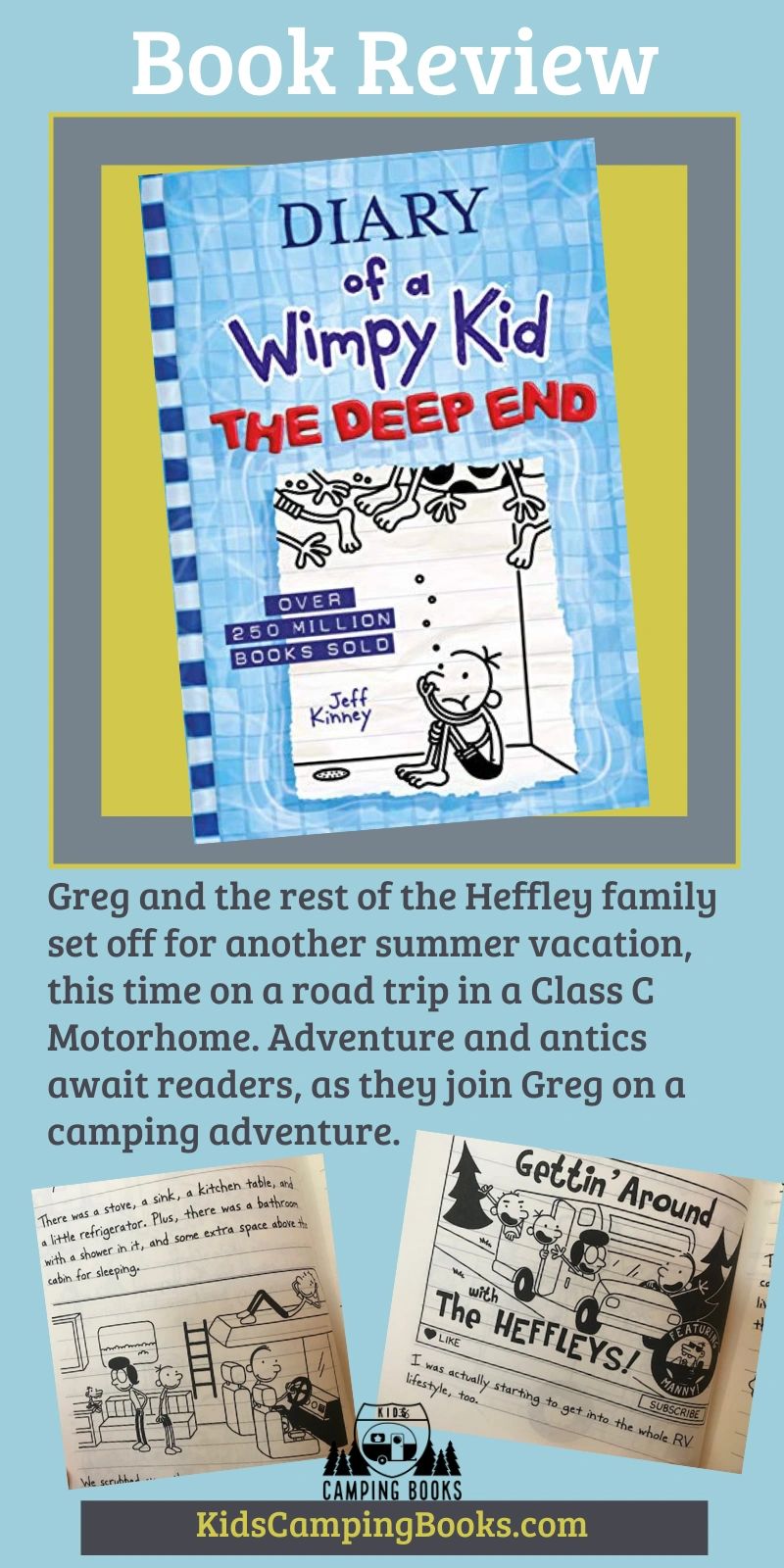
The illustrations and artwork in Diary of a Wimpy Kid play a crucial role. They add a unique charm to the book, making it visually appealing. The hand-drawn sketches by Jeff Kinney enhance the storytelling and offer readers a delightful experience.
Visual Appeal
The visual appeal of Diary of a Wimpy Kid is undeniable. Each page is filled with simple yet expressive drawings. These illustrations capture the quirky essence of the characters. They make the book more engaging, especially for younger readers.
- Hand-drawn sketches
- Expressive characters
- Enhances readability
The art style is consistent throughout the series. It helps maintain a familiar look and feel. The illustrations are not just decorative; they are integral to the narrative.
Role In Storytelling
The role of illustrations in Diary of a Wimpy Kid goes beyond visual appeal. They play a crucial part in storytelling. Jeff Kinney uses illustrations to depict Greg’s thoughts and feelings. This adds depth to the character.
- Depicting emotions
- Adding humor
- Enhancing plot details
Many jokes in the book rely on visual elements. The drawings often show what words cannot express. This creates a richer reading experience. The combination of text and illustrations makes the book more relatable and entertaining.
Credit: kidscampingbooks.com
Reader’s Perspective
The Diary of a Wimpy Kid series has captivated readers of all ages. This section delves into why readers find it relatable and emotionally engaging. By exploring these aspects, we understand why this book remains a favorite.
Relatability To Audience
Greg Heffley’s experiences mirror those of many young readers. School troubles, friendship issues, and family dynamics are common themes. Kids see their own lives reflected in Greg’s adventures.
The book’s humor also plays a significant role. The light-hearted, funny tone makes it easy to connect with. Readers laugh at the situations Greg finds himself in, making the book enjoyable.
The illustrations add another layer of relatability. Simple drawings help readers visualize the story. They make the book more engaging, especially for younger audiences.
Emotional Connection
Readers develop a strong emotional bond with the characters. They feel Greg’s frustrations and triumphs. This connection keeps them engaged and invested in the story.
The book also explores deeper themes. Friendship, self-acceptance, and family relationships are central. These themes resonate with readers, adding depth to the humorous narrative.
Many readers find comfort in knowing they are not alone. Greg’s experiences remind them that others face similar challenges. This sense of shared experience fosters a deep emotional connection.
Overall, the Diary of a Wimpy Kid series remains popular. Its relatable content and emotional depth appeal to a wide audience. Readers of all ages find something to connect with in Greg’s world.
Critical Reception
The Diary of a Wimpy Kid series has captivated readers worldwide. Critics and fans alike praise its humor and relatable characters. This section delves into the critical reception of the series.
Reviews From Critics
Many critics applaud Jeff Kinney’s ability to connect with young readers. They highlight the witty and engaging narrative style.
- The New York Times: “Hilarious and heartfelt.”
- Publishers Weekly: “A winning combination of humor and realism.”
- Kirkus Reviews: “A laugh-out-loud gem.”
Critics also appreciate the book’s format. The blend of text and illustrations makes it accessible and fun.
Awards And Recognitions
The series has garnered numerous awards. Below is a table showcasing some of the most notable accolades:
| Award | Year |
|---|---|
| Nickelodeon Kids’ Choice Award | 2010 |
| Children’s Choice Book Awards | 2008 |
| Blue Peter Book Award | 2012 |
These awards reflect the series’ popularity and impact on young readers. The series’ success is a testament to its universal appeal and engaging content.
Frequently Asked Questions
What Is The Main Theme Of Diary Of A Wimpy Kid?
The main theme is navigating middle school challenges. It explores friendship, family, and self-identity.
Is Diary Of A Wimpy Kid Suitable For All Ages?
Yes, it is great for kids and teenagers. Adults will also enjoy its humor and relatable situations.
What Makes Diary Of A Wimpy Kid Popular?
Its relatable characters and funny illustrations. The easy-to-read format also appeals to young readers.
Conclusion
“Diary of a Wimpy Kid” is a fun, relatable book for all ages. Greg’s adventures keep readers entertained and laughing. The illustrations add charm and humor. Ideal for young readers and those young at heart. The book’s simple language makes it an easy read.
Perfect for a relaxing afternoon. Enjoyable characters and engaging storylines await. Definitely worth adding to your collection. Happy reading!