
Braiding Sweetgrass Book Review: Discover Nature’s Wisdom
“Braiding Sweetgrass” is a unique book that blends science and Indigenous wisdom. Written by Robin Wall Kimmerer, it offers a fresh perspective on nature.
In this book review, we will explore why “Braiding Sweetgrass” stands out. The author, both a botanist and a member of the Citizen Potawatomi Nation, skillfully merges scientific facts with storytelling. This blend creates a captivating narrative that is both informative and thought-provoking.
Kimmerer’s writing invites readers to view the natural world with a sense of gratitude and responsibility. Her insights encourage a deeper connection with the environment, promoting a more sustainable and respectful relationship with nature. Join us as we dive into the essence of “Braiding Sweetgrass” and uncover its profound messages.
Themes
“Braiding Sweetgrass” by Robin Wall Kimmerer is a book rich in themes that resonate deeply. The author blends her scientific background with her Indigenous heritage to explore profound connections. This section will delve into three key themes: Connection to Nature, Indigenous Knowledge, and Reciprocity.
Connection To Nature
Kimmerer emphasizes the deep connection to nature that shapes our lives. She urges readers to see the environment not as a resource, but as a community of living beings. This relationship fosters a sense of responsibility and care. Throughout the book, Kimmerer shares stories that illustrate how nature is intertwined with human existence.
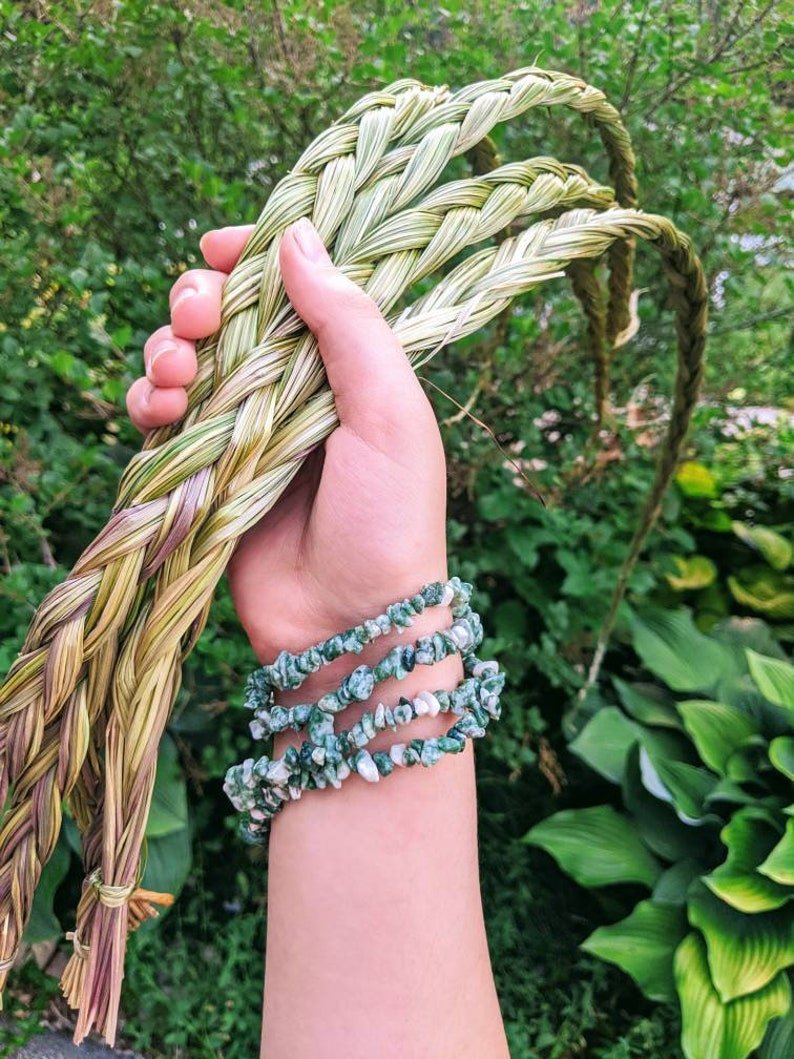
One striking example is her description of gathering sweetgrass. She illustrates the respectful and mindful harvesting process. By showing reverence for the plant, she teaches us to value and respect all living things. This theme encourages readers to reflect on their own interactions with the natural world.
Indigenous Knowledge
Indigenous knowledge is another central theme. Kimmerer, a member of the Citizen Potawatomi Nation, weaves her ancestral wisdom throughout the narrative. She highlights how traditional ecological knowledge complements scientific understanding. This dual perspective enriches our comprehension of the environment.
For instance, she recounts the story of the Three Sisters: corn, beans, and squash. These crops grow together in a symbiotic relationship, each supporting the others. This ancient agricultural practice demonstrates the sophistication of Indigenous farming techniques. By valuing Indigenous knowledge, we can gain insights into sustainable living.
Reciprocity
The theme of reciprocity is central to Kimmerer’s message. She argues that humans should engage in a reciprocal relationship with nature. This means giving back to the earth as much as we take. Reciprocity fosters a balance that sustains both humans and the environment.
Kimmerer shares practices like the Honorable Harvest, a set of guidelines for ethical foraging. These guidelines include taking only what you need and giving thanks. Such practices highlight the importance of gratitude and balance. By adopting reciprocity, we can create a more harmonious relationship with nature.
Credit: www.northsidefriends.org
Writing Style
The writing style of Braiding Sweetgrass by Robin Wall Kimmerer is unique and captivating. It combines personal narratives, indigenous wisdom, and scientific knowledge in a harmonious blend. This section will explore the key elements of the writing style.
Narrative Technique
Kimmerer employs a vivid narrative technique that draws readers into her world. She weaves personal stories with ecological insights, creating a rich tapestry of experiences. This approach makes the book both informative and engaging. Her ability to intertwine the personal and the scientific provides a lens through which readers can explore their own relationship with nature. By combining poetic descriptions with grounded, practical wisdom, Kimmerer crafts a narrative that feels both accessible and profound. It’s the kind of storytelling that stays with you long after the last page, much like the impactful reflections found in a beautiful disaster book review.
The use of first-person perspective adds a personal touch. Readers feel connected to the author’s journey and insights. The stories are relatable and often evoke emotional responses, making the content memorable.
Language And Tone
The language in Braiding Sweetgrass is poetic and evocative. Kimmerer uses descriptive imagery to bring her experiences to life. This makes the book a sensory experience, allowing readers to see, hear, and feel the natural world she describes.
The tone is gentle and reflective. Kimmerer speaks with a voice of wisdom and compassion. This creates a sense of intimacy and trust between the author and the reader.
Here are some key features of the language and tone:
- Poetic Descriptions: Vivid imagery paints a picture of the natural world.
- Reflective Tone: Encourages readers to think deeply about their relationship with nature.
- Gentle Voice: Provides a sense of calm and connection.
Overall, the writing style of Braiding Sweetgrass is a perfect blend of narrative technique, language, and tone. It engages readers on multiple levels, making it a profound and enriching read.
Key Lessons
“Braiding Sweetgrass” by Robin Wall Kimmerer offers insightful lessons on living in harmony with nature. The book intertwines indigenous wisdom, scientific knowledge, and the author’s personal stories. It teaches us to appreciate and respect the natural world.
Sustainability
Kimmerer emphasizes the importance of sustainability. She shares how indigenous cultures practice sustainable living. They take only what they need and give back to the Earth. This reciprocal relationship ensures resources for future generations.
She also discusses how modern society can adopt these practices. Simple steps like reducing waste and conserving resources make a big difference. Sustainability is not just about survival; it’s about thriving together with nature.
Gratitude
Gratitude is a central theme in “Braiding Sweetgrass”. Kimmerer explains how giving thanks is a daily practice in many indigenous cultures. This practice fosters a deeper connection with nature. It reminds us to appreciate the gifts we receive from the Earth.
Kimmerer shares rituals and ceremonies that express gratitude. These traditions highlight the importance of acknowledging the natural world’s generosity. By incorporating gratitude into our lives, we can develop a more respectful and mindful relationship with nature.
Interdependence
The book beautifully illustrates the concept of interdependence. Kimmerer shows how all living beings are connected. Plants, animals, and humans rely on each other for survival. Understanding this interconnectedness encourages us to act with compassion and care.
She provides examples from nature, such as the symbiotic relationship between sweetgrass and humans. This mutual dependence ensures both thrive. By recognizing our interdependence, we can foster a more harmonious and balanced existence.
Impact On Readers
The book Braiding Sweetgrass by Robin Wall Kimmerer has touched many readers worldwide. It combines indigenous wisdom with scientific knowledge. This unique blend deeply affects readers’ perspectives on nature and their relationship with the Earth.
Personal Reflections
Many readers share personal reflections about Braiding Sweetgrass. They describe feeling a deeper connection to nature. The book’s stories and teachings encourage introspection. Readers often mention how the book changed their daily habits. Some start gardening, while others spend more time outdoors. The book’s gentle wisdom prompts readers to appreciate the small things in life. It inspires a sense of gratitude and responsibility towards the environment.
Broader Influence
The impact of Braiding Sweetgrass goes beyond individual readers. It influences communities and educational systems. Schools and universities incorporate the book into their curricula. It serves as a valuable resource for environmental studies. The book’s teachings promote sustainable living practices. Community groups use it to foster discussions about environmental stewardship. Its influence extends to policy-making, encouraging eco-friendly initiatives. The book’s message of reciprocity with nature resonates widely, inspiring collective action towards a more sustainable future.
| Impact Area | Examples |
|---|---|
| Personal Growth | Increased nature appreciation, lifestyle changes |
| Education | Inclusion in curricula, resource for studies |
| Community Action | Environmental discussions, policy influence |
In summary, Braiding Sweetgrass profoundly impacts readers on various levels. Its teachings foster a deeper connection to nature and inspire positive changes.
Criticisms
Every book has its critics, and “Braiding Sweetgrass” by Robin Wall Kimmerer is no exception. While many readers praise the book, others have noted some shortcomings. Let’s explore these criticisms to provide a balanced review.
Potential Flaws
Some readers find the book’s pacing slow. The author takes her time explaining concepts. This can be frustrating for those seeking a faster read.
Another point of criticism is the book’s structure. It is a collection of essays rather than a continuous narrative. This can make it feel disjointed.
Lastly, the book’s blending of science and Indigenous wisdom may not appeal to everyone. Some prefer a more scientific approach. Others may find the mix confusing.
Reader Disagreements
Not all readers agree on the book’s themes. Some feel the environmental message is too strong. They argue it can come across as preachy.
Others disagree with the author’s viewpoints on modern society. They believe she overly romanticizes Indigenous lifestyles. They argue this perspective overlooks the complexities of both cultures.
Finally, some readers find the language too poetic. They prefer straightforward writing. The poetic style can be a hurdle for them.
| Criticism | Description |
|---|---|
| Slow Pacing | The book takes time to explain concepts. |
| Disjointed Structure | Collection of essays rather than a continuous narrative. |
| Blend of Science and Wisdom | Some find the mix confusing or prefer pure science. |
| Strong Environmental Message | Some argue it can seem preachy. |
| Romanticizing Indigenous Lifestyles | Belief that it overlooks the complexities of both cultures. |
| Poetic Language | Some readers prefer straightforward writing. |
Understanding these criticisms helps in getting a full picture of the book. It allows potential readers to make an informed decision.

Credit: www.joyweesemoll.com
Comparisons
Comparing “Braiding Sweetgrass” with other works offers a deeper understanding. This helps readers appreciate its unique contributions. Let’s explore similar works and unique contributions.
Similar Works
“Braiding Sweetgrass” by Robin Wall Kimmerer stands alongside other works. The book shares themes with “The Hidden Life of Trees” by Peter Wohlleben and “Silent Spring” by Rachel Carson.
| Book Title | Author | Themes |
|---|---|---|
| “Braiding Sweetgrass” | Robin Wall Kimmerer | Nature, Indigenous Wisdom, Ecology |
| “The Hidden Life of Trees” | Peter Wohlleben | Forestry, Ecology, Interconnectedness |
| “Silent Spring” | Rachel Carson | Environmentalism, Pollution, Conservation |
Both “The Hidden Life of Trees” and “Silent Spring” focus on nature. They also emphasize the need to protect our environment. Yet, Kimmerer brings a distinct voice. She blends science with Indigenous wisdom.
Unique Contributions
“Braiding Sweetgrass” makes unique contributions. Kimmerer is both a scientist and a member of the Citizen Potawatomi Nation. This dual perspective enriches her narrative.
- Indigenous Wisdom: She shares traditional ecological knowledge.
- Personal Narratives: Her stories are deeply personal and touching.
- Science and Spirituality: She merges scientific insights with spiritual beliefs.
The book’s storytelling style is engaging. Kimmerer uses personal anecdotes. She also employs poetic language. These elements make the book stand out.
In summary, “Braiding Sweetgrass” is a blend of science, spirituality, and storytelling. It offers a fresh perspective. One that is both informative and inspiring.
Credit: shelburnefarms.org
Frequently Asked Questions
What Is “braiding Sweetgrass” About?
“Braiding Sweetgrass” combines Indigenous wisdom and scientific knowledge. It explores our relationship with nature. The book emphasizes gratitude and reciprocity.
Who Is The Author Of “braiding Sweetgrass”?
Robin Wall Kimmerer wrote “Braiding Sweetgrass. ” She is a botanist and member of the Citizen Potawatomi Nation.
Why Is “braiding Sweetgrass” Popular?
“Braiding Sweetgrass” is popular for its unique blend of storytelling, ecology, and Indigenous perspectives. It inspires readers to connect with nature.
Conclusion
“Braiding Sweetgrass” leaves readers with a fresh perspective on nature. Its blend of science and indigenous wisdom is captivating. The book encourages a deeper connection to the environment. Kimmerer’s storytelling is both enlightening and poetic. Readers gain insights into the delicate balance of ecosystems.
This book is a must-read for nature enthusiasts. It inspires respect and gratitude for our planet. Engage with its pages for a thought-provoking experience. “Braiding Sweetgrass” teaches us to cherish the natural world. A truly enlightening read for all.


