
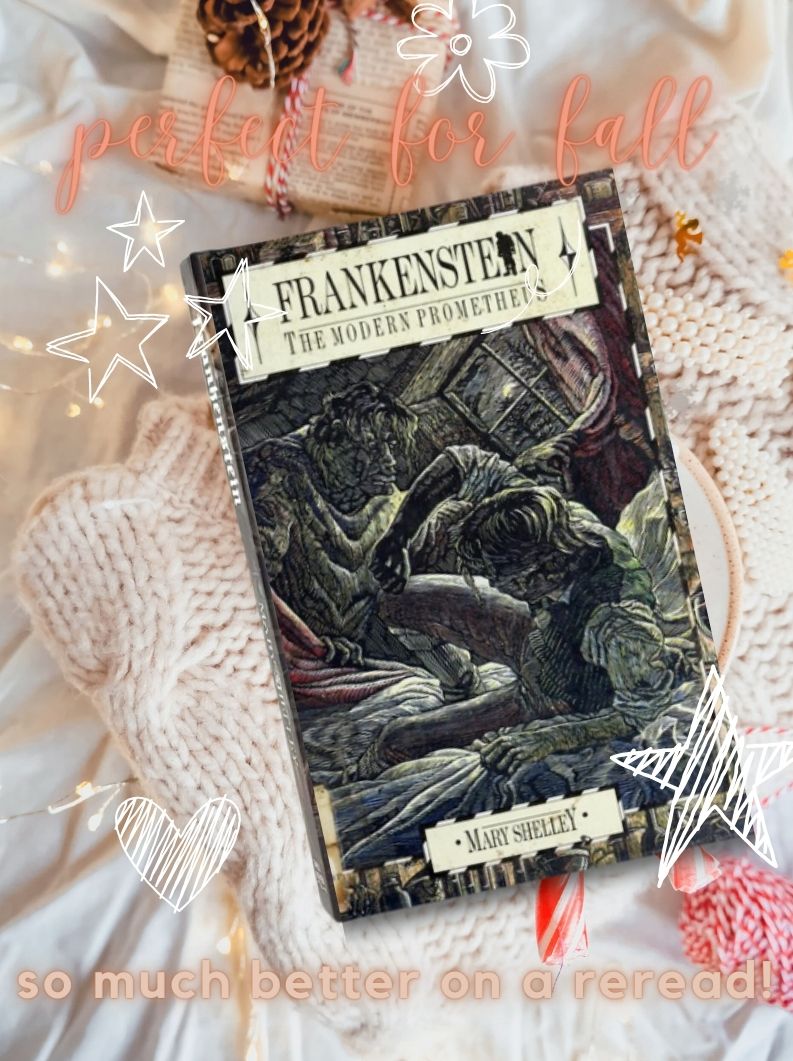
Book Review of Frankenstein: Unveiling the Classic Gothic Horror
Mary Shelley’s “Frankenstein” is a timeless classic in gothic literature. This novel explores themes of creation, ambition, and humanity’s limits.
Published in 1818, “Frankenstein” has captivated readers for over two centuries. The story revolves around Victor Frankenstein, a scientist who creates life. His creation, often referred to as the Monster, struggles with acceptance and identity. The novel raises questions about the responsibilities of a creator and the consequences of playing God.
As you delve into this book review, you’ll discover the depth of Shelley’s characters and the enduring relevance of her themes. Whether you’re a seasoned reader or new to gothic fiction, “Frankenstein” offers a compelling and thought-provoking journey.

Credit: medium.com
Introduction To Frankenstein
Frankenstein, written by Mary Shelley, is a classic novel that has captivated readers for generations. This Gothic tale explores themes of creation, ambition, and the consequences of playing God. It tells the story of Victor Frankenstein, a scientist who creates a living being from dead tissue. The creature, often mistakenly called Frankenstein, struggles with rejection and loneliness.
Mary Shelley’s Inspiration
Mary Shelley’s inspiration for Frankenstein came from a vivid dream. She envisioned a scientist who created life and was horrified by his creation. This dream occurred during the summer of 1816, known as the “Year Without a Summer.” Mary, along with her husband Percy Bysshe Shelley, and Lord Byron, were staying near Lake Geneva in Switzerland. The weather was gloomy, and they entertained themselves by telling ghost stories. This eerie atmosphere helped spark the idea for her novel.
Historical Context
Frankenstein was published in 1818 during the Romantic period. This era emphasized emotion, nature, and individualism. The novel reflects these themes, especially through the character of the creature, who experiences deep feelings and a connection to nature. The Industrial Revolution was also underway, bringing rapid technological advancements. Shelley’s novel raises questions about the ethical implications of scientific progress.
Another significant influence was the scientific experiments of the time. Scientists like Luigi Galvani were exploring electricity’s role in life. These experiments, known as galvanism, inspired the novel’s depiction of reanimation. Shelley’s work can be seen as a response to the excitement and fear surrounding these new discoveries.

Credit: novelonmymind.com
Main Characters
Mary Shelley’s Frankenstein is a tale rich with complex characters. Each character brings unique depth to the story. Let’s dive into the main characters of this gothic novel.
Victor Frankenstein
Victor Frankenstein is the ambitious scientist who creates the Monster. He is driven by a thirst for knowledge and a desire to overcome human limitations. Victor’s obsession with his work isolates him from his family and friends. This isolation leads to tragic consequences.
The Monster
The Monster, often called Frankenstein’s creation, is a key figure in the story. Though he is initially innocent, his appearance causes fear and rejection. The Monster struggles with his identity and seeks acceptance. His journey is a poignant exploration of loneliness and the human condition.
Elizabeth Lavenza
Elizabeth Lavenza is Victor’s beloved fiancée. She represents purity and kindness. Elizabeth’s unwavering love for Victor stands in stark contrast to his dark obsessions. Her character highlights the themes of love and sacrifice in the novel.
Henry Clerval
Henry Clerval is Victor’s closest friend. He is supportive and compassionate, a foil to Victor’s intense ambition. Henry’s loyalty and friendship provide a glimpse of what Victor’s life could have been. His character emphasizes the value of human connection and empathy.
Themes And Motifs
Frankenstein by Mary Shelley is rich with themes and motifs. These elements give depth to the story. They make readers think and feel. Below are some key themes and motifs in the novel.
The Pursuit Of Knowledge
The pursuit of knowledge is a major theme in Frankenstein. Victor Frankenstein is driven by his desire to understand life and death. He wants to create life, but at a great cost. This quest for knowledge leads to his downfall. The novel explores the dangers of seeking knowledge without considering the consequences.
Isolation And Loneliness
Isolation and loneliness are central motifs in the story. Victor isolates himself from his family and friends to focus on his experiments. The monster, too, experiences extreme loneliness. He is rejected by society and even his creator. This theme highlights the emotional and psychological impact of loneliness.
Nature Vs. Nurture
The novel also explores the theme of nature vs. nurture. The monster is born innocent. His actions are a result of how he is treated. If he had received kindness, he might have turned out differently. This theme questions whether a person is shaped more by their nature or their environment.
Gothic Elements
Mary Shelley’s “Frankenstein” masterfully weaves gothic elements, creating a dark and eerie atmosphere. The novel features ominous settings, mysterious characters, and themes of fear and isolation. These elements make it a classic gothic tale.
Dark And Desolate Settings
In Frankenstein, Mary Shelley crafts dark and desolate settings that evoke a sense of foreboding and isolation.
Supernatural And Unnatural
The novel delves into the supernatural and unnatural, blurring the lines between science and the occult.
Emotional Extremes
Shelley explores emotional extremes, portraying intense feelings of despair, revenge, and loneliness.
Symbolism In Frankenstein
Symbolism in Frankenstein plays a crucial role in Mary Shelley’s novel. It adds depth and meaning to the story. Shelley uses various symbols to explore themes of creation, knowledge, and isolation.
Light And Fire
In Frankenstein, light symbolizes knowledge and discovery. Victor Frankenstein seeks to bring light to the darkness of ignorance. He strives to uncover the secrets of life. Yet, light also represents danger.
Fire is another important symbol. It signifies both creation and destruction. Prometheus, who stole fire from the gods, is a reference here. Victor’s creation of the monster mirrors Prometheus’s gift of fire. But, like fire, the monster brings destruction.
The Arctic Landscape
The Arctic landscape in Frankenstein symbolizes isolation and desolation. The novel begins and ends in this harsh environment. It reflects Victor’s inner turmoil and loneliness. The icy setting mirrors the coldness of his heart.
The Arctic’s vastness also represents the unknown. Just as Victor explores the unknown with his experiments, the Arctic symbolizes uncharted territory. Both are filled with danger and uncertainty.
The Monster As A Symbol
The monster itself is a powerful symbol. It represents the consequences of blind ambition. Victor’s desire to play God leads to tragic outcomes. The monster also symbolizes the outcast and the misunderstood.
It highlights society’s fear of the unknown. The monster’s appearance causes others to reject and fear him. This symbolizes how society treats those who are different. The monster’s suffering reflects the pain of isolation and rejection.
Literary Style
Mary Shelley’s Frankenstein is a unique classic. Its literary style sets it apart. Let’s explore its key elements. Mary Shelley’s Frankenstein is a unique classic. Its literary style sets it apart. Let’s explore its key elements. The novel delves into themes of creation, responsibility, and the consequences of unchecked ambition, making it a profound study of human nature. In a beloved novel review by Toni Morrison, the layers of moral complexity and Shelley’s innovative narrative structure were celebrated, highlighting its enduring relevance. These elements continue to captivate readers and spark critical discussions to this day.
Epistolary Structure
Shelley uses an epistolary structure in Frankenstein. This means the novel is told through letters. These letters add depth to the story. They let readers see different viewpoints. The story starts with letters from Captain Walton. He writes to his sister. This gives a frame to Victor Frankenstein’s tale.
Then, Victor shares his story. Later, the monster’s narrative is included. This back-and-forth keeps the reader engaged. It builds suspense and curiosity.
Narrative Techniques
Shelley uses multiple narrative techniques. She combines first-person and third-person perspectives. Victor speaks in first-person. This makes his feelings more personal. The monster also tells his story. This shifts the reader’s sympathy.
The different narratives create a rich, layered story. It shows the complexity of characters and events. The reader is immersed in their thoughts and emotions.
Language And Tone
Shelley’s language is rich and descriptive. Her words paint vivid pictures. The tone varies. Sometimes it’s dark and foreboding. Other times, it’s full of wonder and discovery. This mix keeps the reader on edge.
She uses strong imagery. The settings come alive. From icy Arctic scenes to dark laboratories. The tone reflects the characters’ emotions. Victor’s despair contrasts with the monster’s loneliness. This makes the story more impactful.
Shelley’s style is a blend of Gothic and Romantic elements. This makes Frankenstein a timeless read.
Legacy And Influence
Mary Shelley’s Frankenstein has left a lasting legacy in literature and culture. This masterpiece, written in 1818, continues to inspire and provoke thoughts. Let’s delve into its profound impact and cultural significance.
Impact On Literature
Frankenstein is a cornerstone of the Gothic literature genre. It set the stage for future horror and science fiction works. Authors like H.P. Lovecraft and Stephen King drew inspiration from Shelley’s creation. The novel’s themes, such as the quest for knowledge and the consequences of playing God, are timeless.
Many modern novels and stories echo these themes. They explore similar ethical dilemmas and human emotions. Frankenstein’s narrative structure, with its frame story and multiple perspectives, influenced narrative techniques in literature.
Adaptations And Retellings
Frankenstein has been adapted into countless films, TV shows, and plays. The first film adaptation was in 1910, produced by Thomas Edison’s studio. Since then, the story has seen many versions. Each adaptation offers a unique take on the original tale.
From Boris Karloff’s iconic portrayal in the 1931 film to modern retellings, each version adds a new dimension. Graphic novels and comics also reimagine the story, introducing it to younger audiences.
Cultural Significance
Frankenstein’s cultural impact extends beyond literature and film. The term “Frankenstein” is now synonymous with the consequences of unchecked scientific ambition. The creature has become a symbol of the misunderstood outcast.
The novel is often referenced in discussions about ethics in science. It serves as a cautionary tale about technological advancement without moral consideration. Shelley’s story continues to resonate, reflecting society’s fears and hopes.
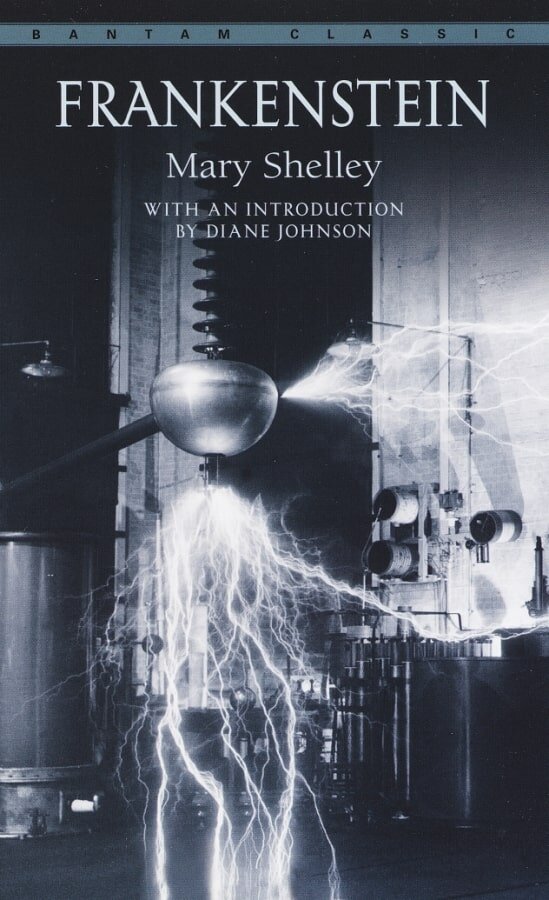
Credit: www.themistressofbooks.com
Frequently Asked Questions
What Is The Main Theme Of Frankenstein?
Frankenstein explores the dangers of playing God, loneliness, and the consequences of ambition.
Who Is The Author Of Frankenstein?
Mary Shelley wrote Frankenstein. She completed it when she was just 18 years old.
Is Frankenstein’s Monster Evil?
Frankenstein’s monster is not inherently evil. He becomes violent due to rejection and isolation.
Conclusion
Frankenstein is a timeless classic. Its themes of ambition and humanity resonate today. Mary Shelley’s storytelling captivates readers with vivid imagery. The tragic tale of Victor and his creation evokes empathy. The novel’s exploration of ethics prompts deep thought. Readers will find Frankenstein both engaging and thought-provoking.
This book is a must-read for literature enthusiasts. It offers a profound look into human nature and science. Dive into this masterpiece and discover its enduring relevance.